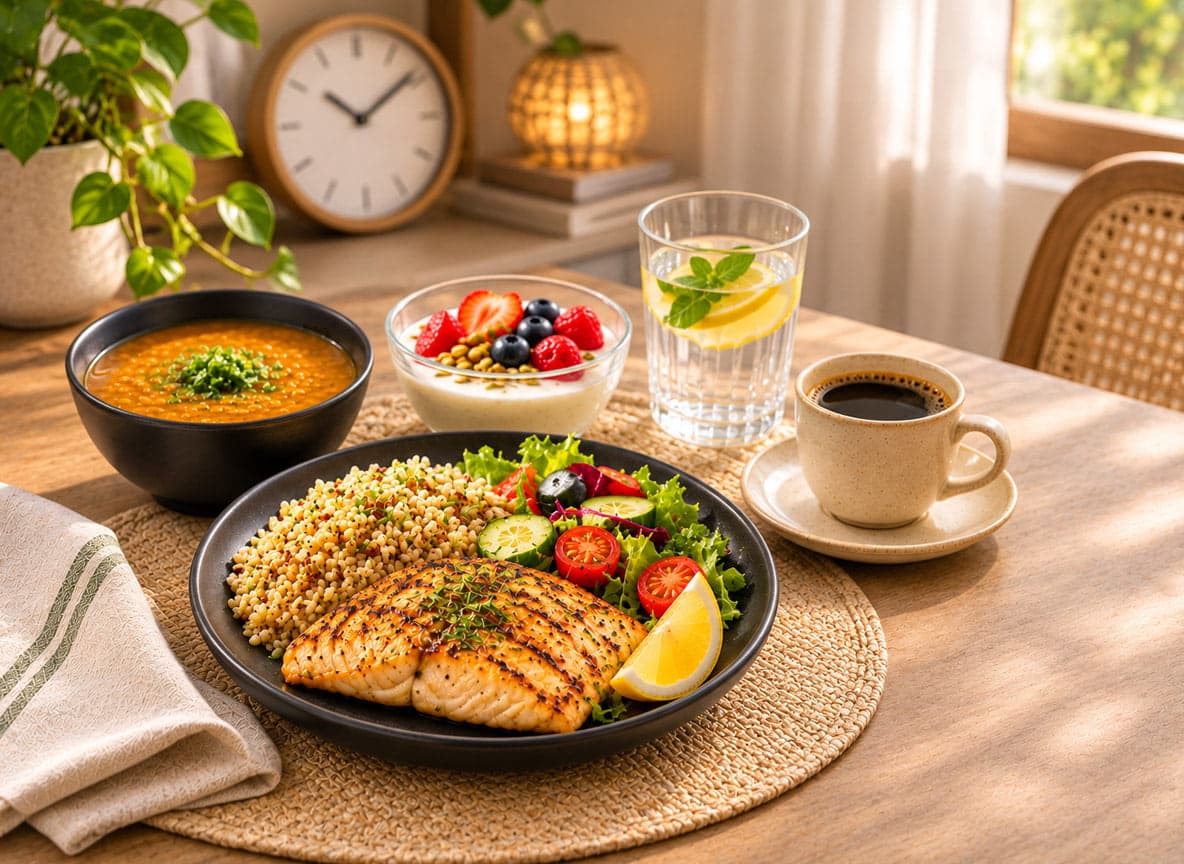
Fiber Rich Foods: What to Eat and How Much
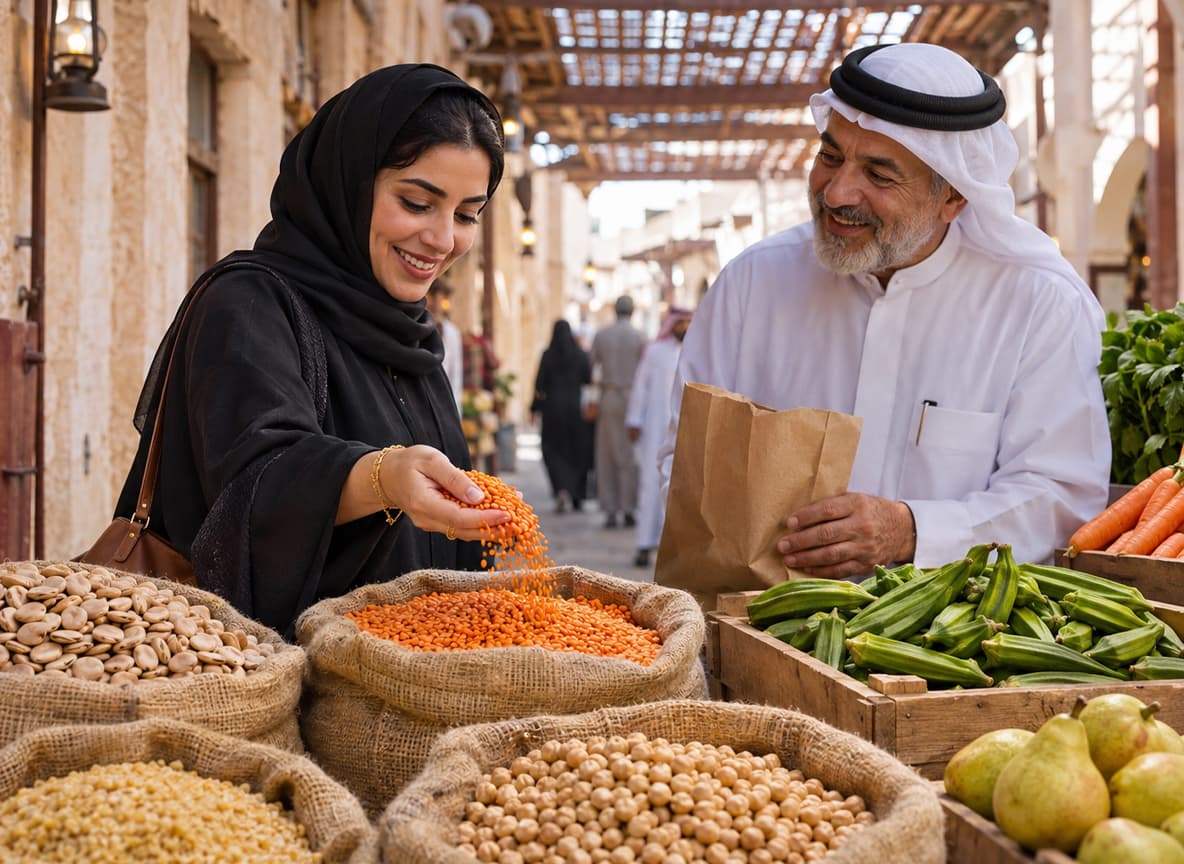
Fiber rich foods are plant foods such as lentils, chickpeas, ful (fava beans), oats, whole grains, vegetables, fruit, nuts and seeds. The World Health Organization advises adults to eat at least 25 g of fiber a day, and the NHS recommends 30 g. A day built around legumes, whole grains and fresh produce reaches that target comfortably.
Fiber is one of the easiest nutrients to overlook, yet it plays a big part in digestion, fullness and long-term health. This guide explains what fiber is, how much you need, which everyday foods in Qatar provide the most, and how to build a high-fiber day without discomfort.
What Is Dietary Fiber?
Dietary fiber is the part of plant foods that your body cannot digest or absorb. Instead of being broken down like fats, proteins or other carbohydrates, it passes through your digestive system relatively intact, as Mayo Clinic explains.
There are two main types, and most plant foods contain both:
Soluble fiber dissolves in water to form a gel-like material. It can help lower blood cholesterol and glucose levels. Good sources include oats, beans, peas, apples, citrus fruit and barley.
Insoluble fiber does not dissolve. It helps material move through your digestive system and can help with constipation. Good sources include whole-wheat flour, wheat bran, nuts, beans and vegetables such as green beans.
Fiber is found only in plant foods. Meat, chicken, fish, eggs and most dairy products contain none, which is why a balanced plate matters.
How Much Fiber Do You Need Per Day?
Most adults need 25–30 g of fiber a day. The World Health Organization recommends at least 25 g of naturally occurring dietary fiber daily for adults, and the NHS recommends 30 g.
Age group | Minimum daily fiber (WHO) |
|---|---|
Children 2–5 years | 15 g |
Children 6–9 years | 21 g |
10 years and over, including adults | 25 g |
The WHO also advises adults to eat at least 400 g of vegetables and fruit a day. In practice, that means vegetables or fruit at most meals, whole grains instead of refined ones, and legumes once a day.
Fiber Rich Foods List: Grams per Portion
The values below are approximate, based on USDA FoodData Central, and vary with variety and cooking. Weights are for cooked foods unless stated.
Food | Portion | Fiber (approx.) |
|---|---|---|
Lentils, cooked | 100 g | 8 g |
Split peas, cooked | 100 g | 8 g |
Chickpeas, cooked | 100 g | 7.5 g |
Fava beans (ful), cooked | 150 g | 8 g |
Bulgur, cooked | 150 g | 7 g |
Raspberries | 125 g | 8 g |
Legumes lead the list. A single portion of lentils, chickpeas or ful provides roughly a third of a 25 g daily target, which is good news in Qatar, where lentil soup, hummus and ful medames are everyday foods.
Fiber Rich Foods Already on Qatari Tables
You don't need special products to eat more fiber. Many familiar dishes are built on fiber-rich ingredients:
Lentil soup (shorbat adas): made from lentils, one of the richest fiber sources, and a favourite in the cooler months and during Ramadan.
Ful medames and hummus: based on fava beans and chickpeas. Keep an eye on the amount of oil and white bread served with them.
Harees and jareesh: made from wheat grains. Their fiber content depends on how refined the wheat is.
Dates: three Medjool dates provide about 5 g of fiber, but they are also naturally high in sugar, so enjoy them in small portions.
Bamia (okra) and vegetable salona: easy ways to add vegetables to rice-based meals.
Wholemeal Arabic bread: choose it over white bread when you can.
Why Fiber Rich Foods Matter for Your Health
Fiber supports regular digestion, helps you feel full, and is linked with a lower risk of several chronic diseases. According to Mayo Clinic, a high-fiber diet can help with:
Digestion: insoluble fiber adds bulk and helps prevent constipation.
Heart health: soluble fiber can help lower LDL ("bad") cholesterol.
Blood sugar: soluble fiber can slow the absorption of sugar and help improve blood sugar levels.
Fullness: high-fiber foods tend to be more filling, so you may eat less and stay satisfied for longer.
The long-term evidence is strong too. A 2019 review in The Lancet, commissioned by the WHO, found that people who ate 25–29 g of fiber a day had a 15–30% lower risk of dying from any cause, and of developing heart disease, stroke, type 2 diabetes and bowel cancer, than people who ate the least fiber.
Does Fiber Help with Belly Fat?
No single food or type of fiber targets belly fat. Fiber can support weight management because it adds volume to meals and keeps you full, which makes a modest calorie deficit easier to stick to. Overall calorie balance, enough protein, sleep and regular activity still matter most. Our can help you estimate your daily needs.
How to Eat More Fiber Without Bloating
Adding a lot of fiber too quickly can cause gas, bloating and cramps. These steps help your body adjust:
Increase slowly. Add one extra fiber-rich portion every few days over two to three weeks.
Drink water through the day. Fiber works best when it absorbs water, and Qatar's heat means you lose more fluid than you might notice.
Swap refined grains for whole grains. Try brown rice or bulgur instead of white rice on some days, and wholemeal bread instead of white.
Add legumes daily. Lentils in soup, chickpeas in salads or ful at breakfast all count.
Keep the skin on. Eat apples, pears and potatoes with their skins when you can.
Snack smart. Fruit, a small handful of nuts or carrot sticks with hummus work well. See our for more ideas.
Choose food first. Whole foods also provide vitamins and minerals. Speak to a doctor or pharmacist before taking fiber supplements, especially if you take regular medication.
Sample High-Fiber Day in Qatar (About 30 g)
This example reaches about 30 g of fiber using familiar foods across five eating times.
Meal | What to eat | Fiber (approx.) |
|---|---|---|
Breakfast | 150 g ful medames with tomato and cucumber, plus 1 slice of wholemeal bread | 10 g |
Morning snack | 1 medium apple with skin | 4.5 g |
Lunch | Grilled hamour with 150 g cooked bulgur and a green salad | 8 g |
Evening snack | 30 g almonds | 4 g |
Dinner | Grilled chicken with 150 g steamed broccoli and carrots | 5 g |
Total |
Pair fiber with protein at each meal to stay full for longer. Our lists of and give more options. When Ramadan comes in early 2027, a fiber-rich suhoor with oats or ful can help you feel full for longer.
Who Should Be Careful with Fiber?
Fiber suits most people, but some need a tailored approach. Speak to a doctor or registered dietitian before making big changes if you:
have irritable bowel syndrome (IBS), Crohn's disease or ulcerative colitis
have had bowel surgery or a bowel obstruction
have kidney disease or are pregnant
have diabetes or take medicine that affects your blood sugar
Making Fiber Easy with Dieture
If you would rather not count grams, a planned menu can take the work out of it. can include breakfast, lunch, dinner, a morning snack and an evening snack, with 300+ dishes each month for each plan and a new menu every month, so variety comes built in. You can to see what's on offer, or book a free clinical consultation with Dieture's in-house dietitians if you have specific needs.
Key Takeaways
Fiber rich foods include legumes, whole grains, vegetables, fruit, nuts and seeds.
Adults should aim for at least 25 g of fiber a day (WHO); the NHS recommends 30 g.
Lentils, split peas, chickpeas and ful provide about 7–8 g per portion.
Increase fiber gradually and drink water through the day.
Check with your doctor first if you have a digestive condition, kidney disease or diabetes.
Fiber rich foods are easy to find in Qatar, from a bowl of lentil soup to a handful of almonds. Start with one extra portion a day, build up slowly, and let simple swaps do the rest.