Dieture
MenuPlanBlogAbout UsContact
Download app
The Dieture app open on a phone
QR code to download the Dieture app

Download Dieture app

Available on iOS & Android

QUICK LINKS

  • Menu
  • Why Dieture
  • About Us

COMPANY

  • Blog
  • Careers
  • Team
  • Business

INFORMATION

  • Terms of Service
  • Privacy Policy
  • FAQs

STAY CONNECTED

Dieture

Real Nutrition, From Qatar

© DIETURE 2026.

ALL RIGHTS RESERVED.

Blogs

How Your Diet Should Change During Summer in Qatar?
June 23, 20265 min min read

How Your Diet Should Change During Summer in Qatar?

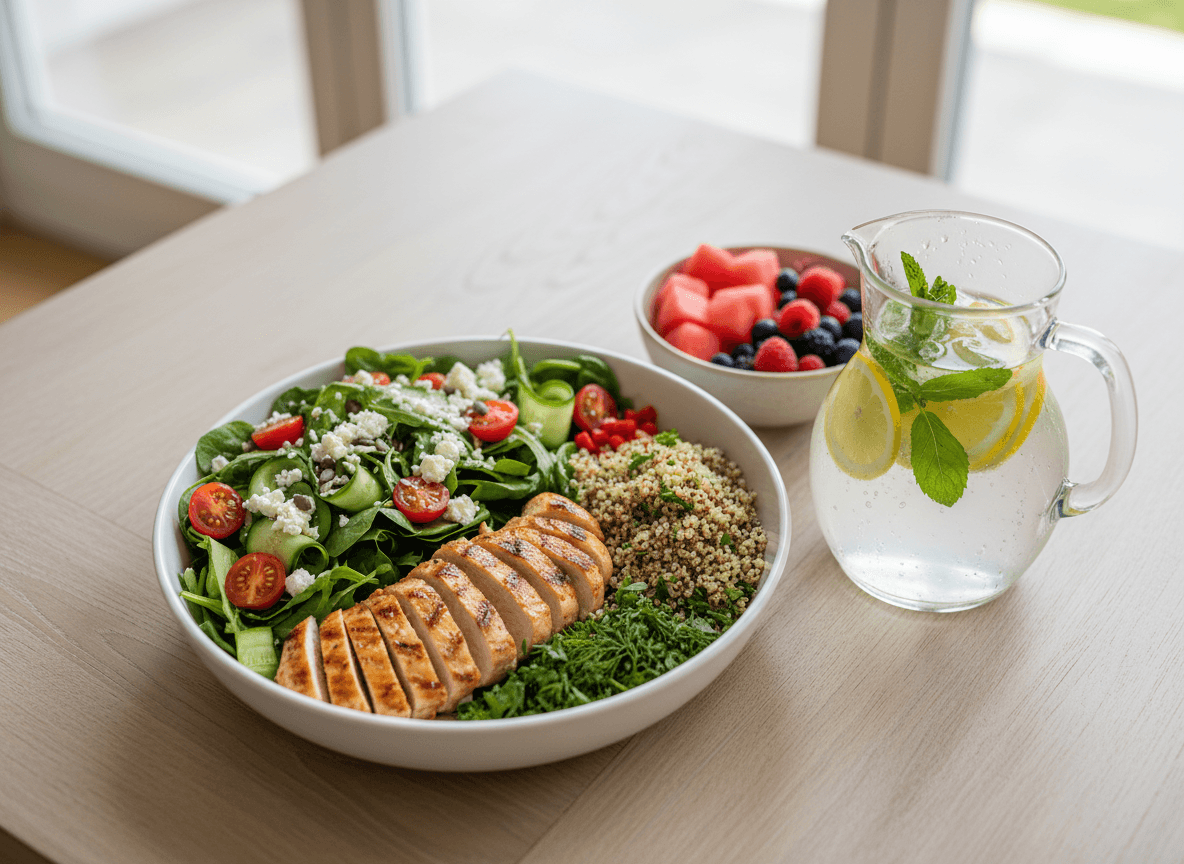
As temperatures begin to rise in Qatar, many people focus on updating their wardrobes, planning vacations, or spending more time indoors to escape the heat. However, one important change often goes unnoticed: adjusting your diet for the summer season. The transition into summer affects more than just your daily routine. Higher temperatures can impact hydration levels, appetite, energy, and even weight management. What feels satisfying during the cooler months may leave you feeling sluggish or dehydrated once summer arrives. The good news is that a few simple changes to your eating habits can help you feel more energized, stay hydrated, and maintain your health goals throughout the season. Whether you are following a healthy diet plan, working toward weight management goals, or simply trying to feel your best, preparing your nutrition strategy before summer begins can make a significant difference.
Food or Food Product? What Ingredient Labels Are Really Telling You
May 19, 20263 min min read

Food or Food Product? What Ingredient Labels Are Really Telling You

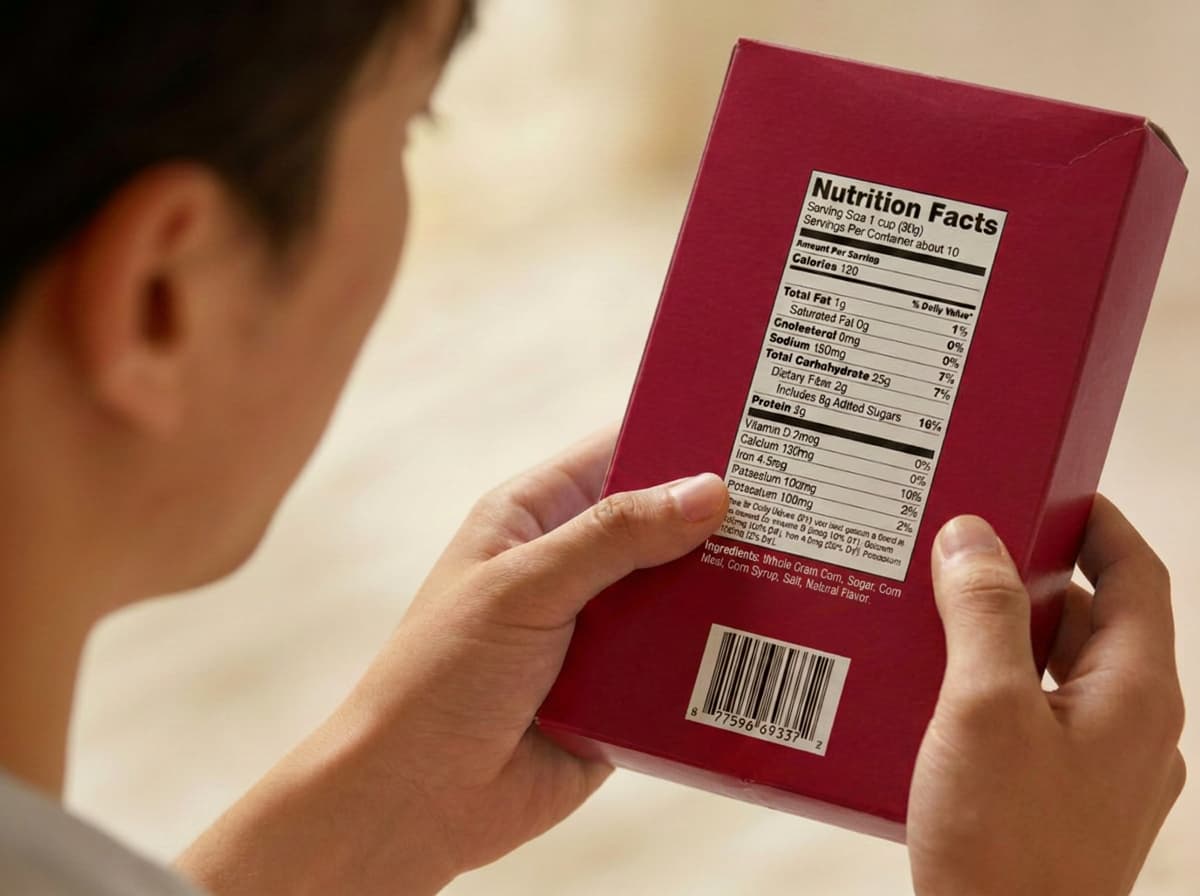
Walk through any supermarket today and you’ll see shelves overflowing with products marketed as “healthy.” From protein bars and sugar-free snacks to low-fat cookies and fiber-rich cereals, modern packaging is designed to make us feel like we’re making smart choices. But behind the buzzwords and glossy labels lies a more important question: are we eating real food, or highly engineered food products? Understanding ingredient labels is one of the simplest ways to tell the difference.

banner
April 27, 20264 min min read

Are “Low-Calorie” Foods Making You Hungrier?

For years, “low-calorie” has been marketed as the ultimate shortcut to weight loss. From diet snacks to sugar-free desserts, the promise is simple: eat less, lose more. But many people notice the opposite, they feel hungrier after eating low-calorie foods. So what’s actually happening?

banner
March 25, 20264 min min read

Sitting All Day Makes Fat Loss Harder, Here’s Why

If you work at a desk, run a startup, code for hours, or manage a remote team, chances are you spend most of your day sitting. It’s the default posture of the modern workday. Coffee on the desk, laptop open, Slack notifications buzzing, and before you know it, eight hours have passed. But here’s the uncomfortable truth. Sitting all day doesn’t just slow productivity after a while, it can also quietly sabotage fat loss.

banner
March 23, 20263 mins min read

The 5 Eid Eating Habits That Quietly Ruin Your Fitness Progress

After a full month of disciplined fasting and mindful eating, it’s very common to slip into certain eating traps during Eid. The sudden transition from a structured, restrained routine to a festive, food-filled environment can feel overwhelming, not just mentally, but physically as well. This shift is especially noticeable if you’ve maintained healthy habits throughout Ramadan, making it easier for old patterns to resurface when abundance and celebration take center stage. Mayssa Shublaq, Dieture’s head of nutrition, shares five most common eating mistakes people make on Eid.

Cut Seed Oils
March 12, 20263 mins min read

How Cutting Seed Oils Could Change Your Body

Seed oils have become one of the most widely used ingredients in modern food systems. They appear in packaged snacks, restaurant meals, salad dressings, baked goods, sauces, and even foods marketed as ‘healthy’. Because they are inexpensive, shelf-stable, and easy to mass-produce, oils such as soybean oil, corn oil, sunflower oil, and canola oil dominate global cooking and food manufacturing. Soybean oil alone is one of the most widely consumed cooking oils globally. Yet growing discussions in nutrition research and public health have raised questions about how frequently these oils appear in modern diets and what that means for long-term health. At Dieture, we often mention that our meals contain zero seed oils. But what does that actually mean? And why do some nutrition experts recommend reducing exposure to heavily processed seed oils?