3 months ago·4 min read
Are “Low-Calorie” Foods Making You Hungrier?
The Low-Calorie Paradox
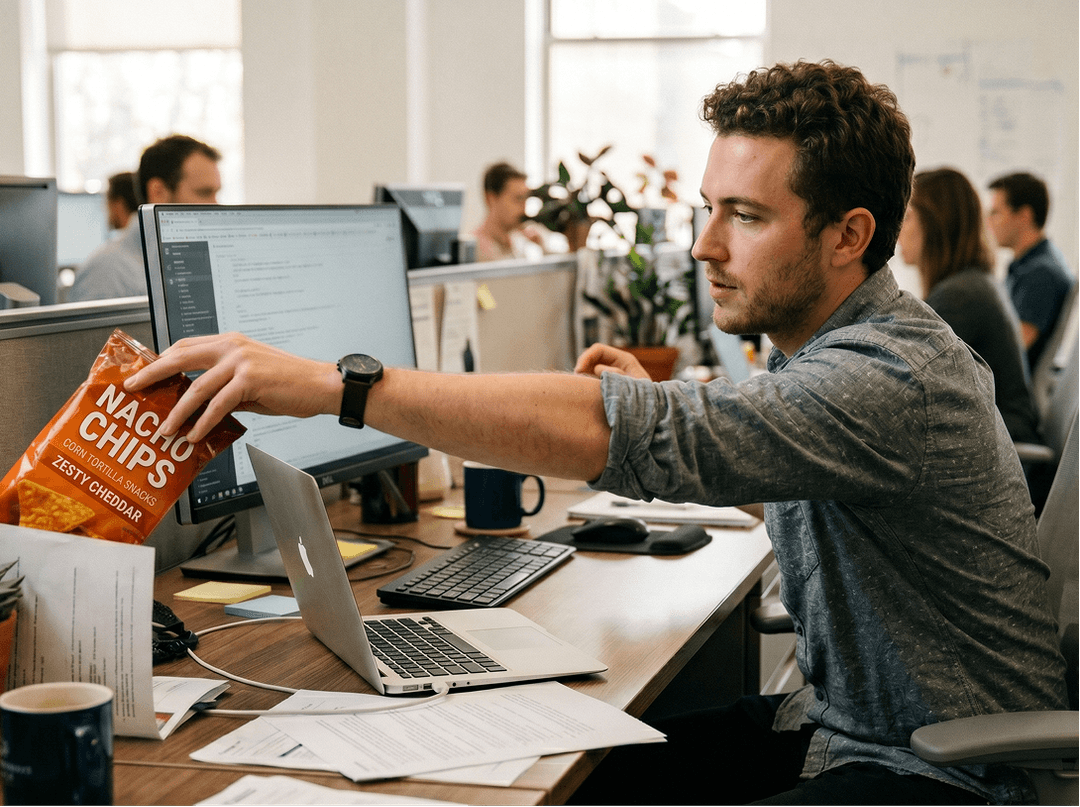
Low-calorie foods are designed to reduce energy intake. But when it comes to satiety (feeling full), calories alone don’t tell the full story.
According to the Harvard T.H. Chan School of Public Health, protein, fiber, and fats play a far bigger role in keeping you full than calorie count alone. Many “diet” foods strip these out, leaving you undernourished despite eating.
Why You Feel Hungrier
1. Lack of Protein and Fat
Protein and fats slow digestion and help regulate hunger hormones like ghrelin (hunger hormone) and leptin (satiety hormone).
Research published in the American Journal of Clinical Nutrition shows that higher protein intake significantly improves satiety and reduces overall calorie intake.
When low-calorie foods lack these nutrients, you’re more likely to feel hungry sooner.
2. Blood Sugar Spikes & Crashes
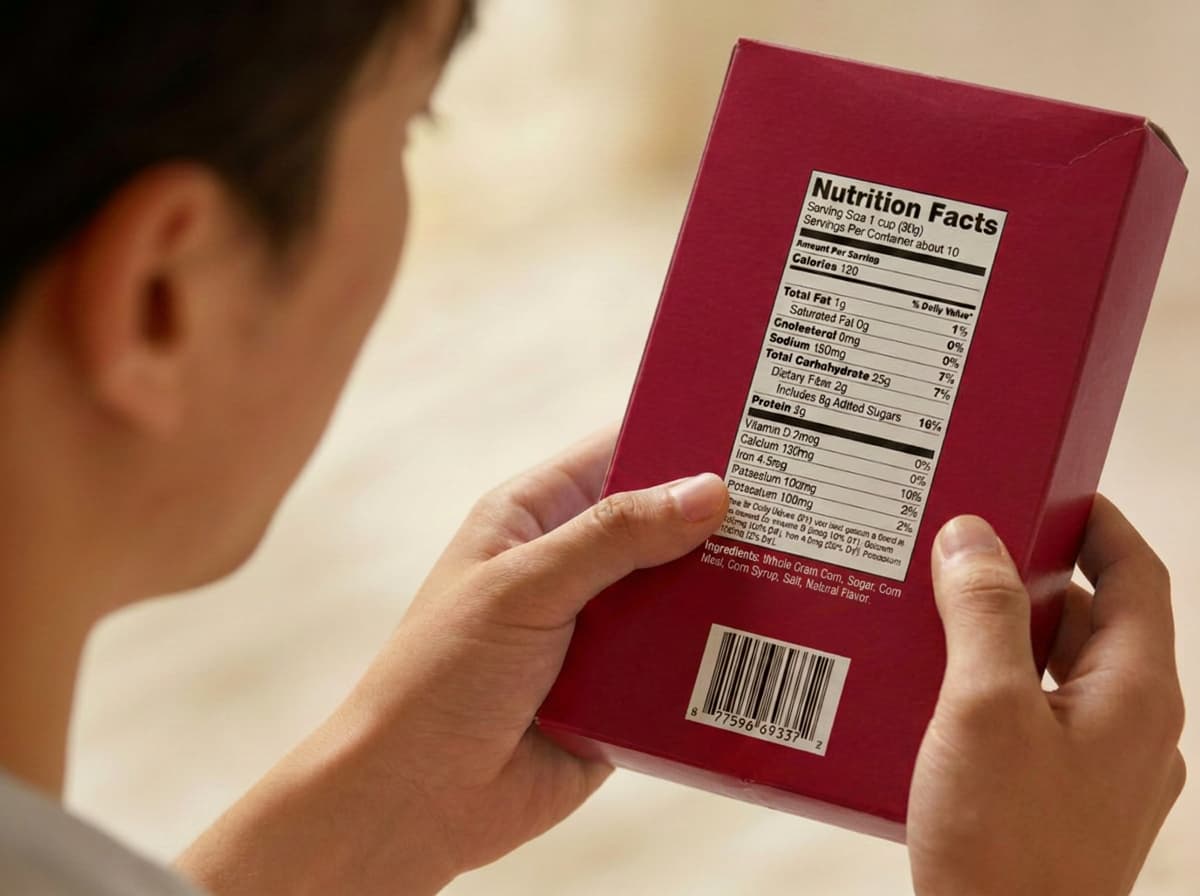
Many low-calorie packaged foods are still highly processed. They digest quickly, causing:
Rapid blood sugar spikes
Followed by crashes
According to guidance from the Mayo Clinic, these fluctuations can trigger hunger and cravings, even if you’ve recently eaten.
3. Artificial Sweeteners & Appetite Confusion
Artificial sweeteners are often used to reduce calories without sacrificing sweetness. But they may have unintended effects.
A study indexed by the National Institutes of Health suggests that artificial sweeteners can increase cravings for sweet foods and may disrupt the body’s ability to regulate calorie intake.
Your brain expects energy, doesn’t receive it, and signals you to eat more.
4. Low Volume, Low Satisfaction
A 100-calorie snack might look efficient on paper, but it often lacks:
Portion size
Texture and variety
Nutritional density
Your brain doesn’t register it as a complete meal, which affects both physical and psychological satiety.
What Actually Keeps You Full?
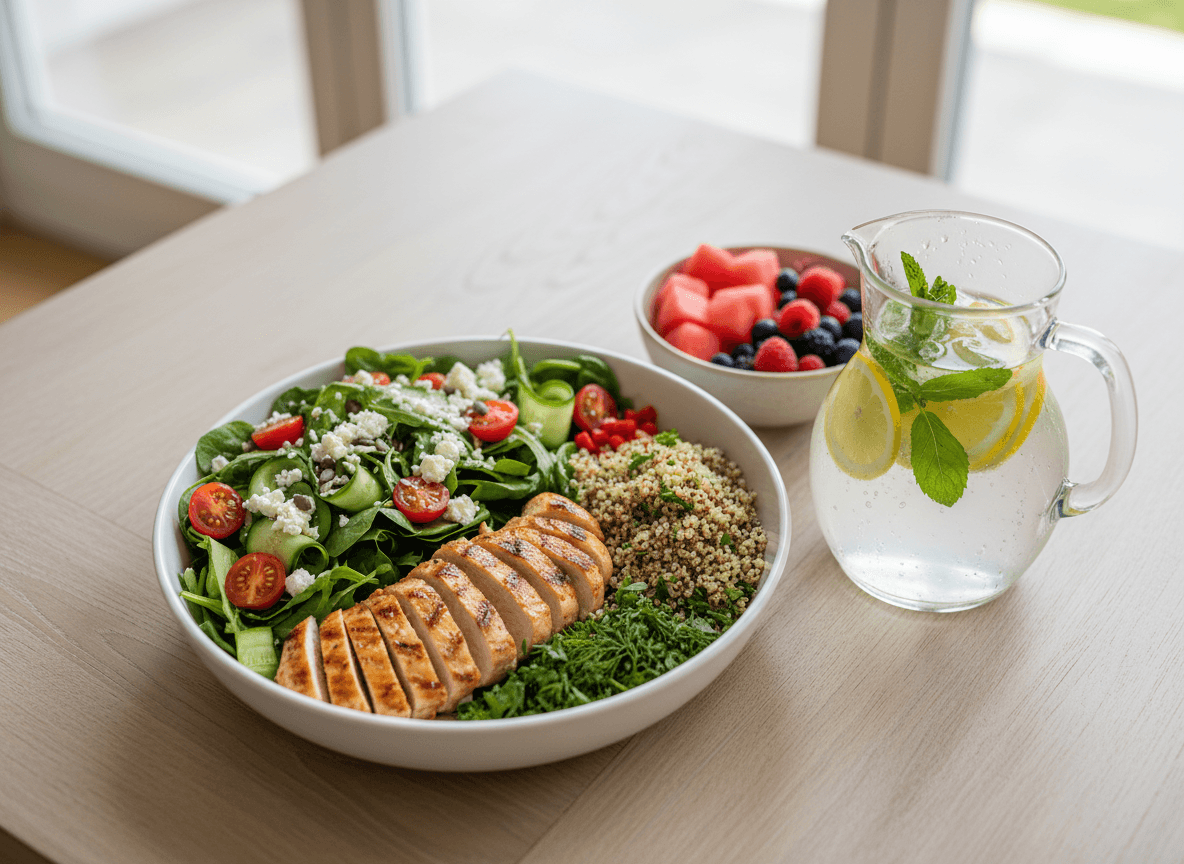
Instead of focusing only on calories, focus on nutrient density and balance:
Protein: Chicken, fish, eggs, legumes
Healthy fats: Nuts, olive oil, avocado
Fiber: Vegetables, whole grains
Meal volume: Larger, whole-food portions
This combination helps regulate appetite hormones, stabilize blood sugar, and improve overall satisfaction after meals.
The Better Approach to Weight Loss
Sustainable fat loss isn’t about eating the least calories - it’s about eating the right calories consistently.
When meals are balanced and portioned properly, your body naturally:
Feels fuller
Craves less
Maintains energy levels
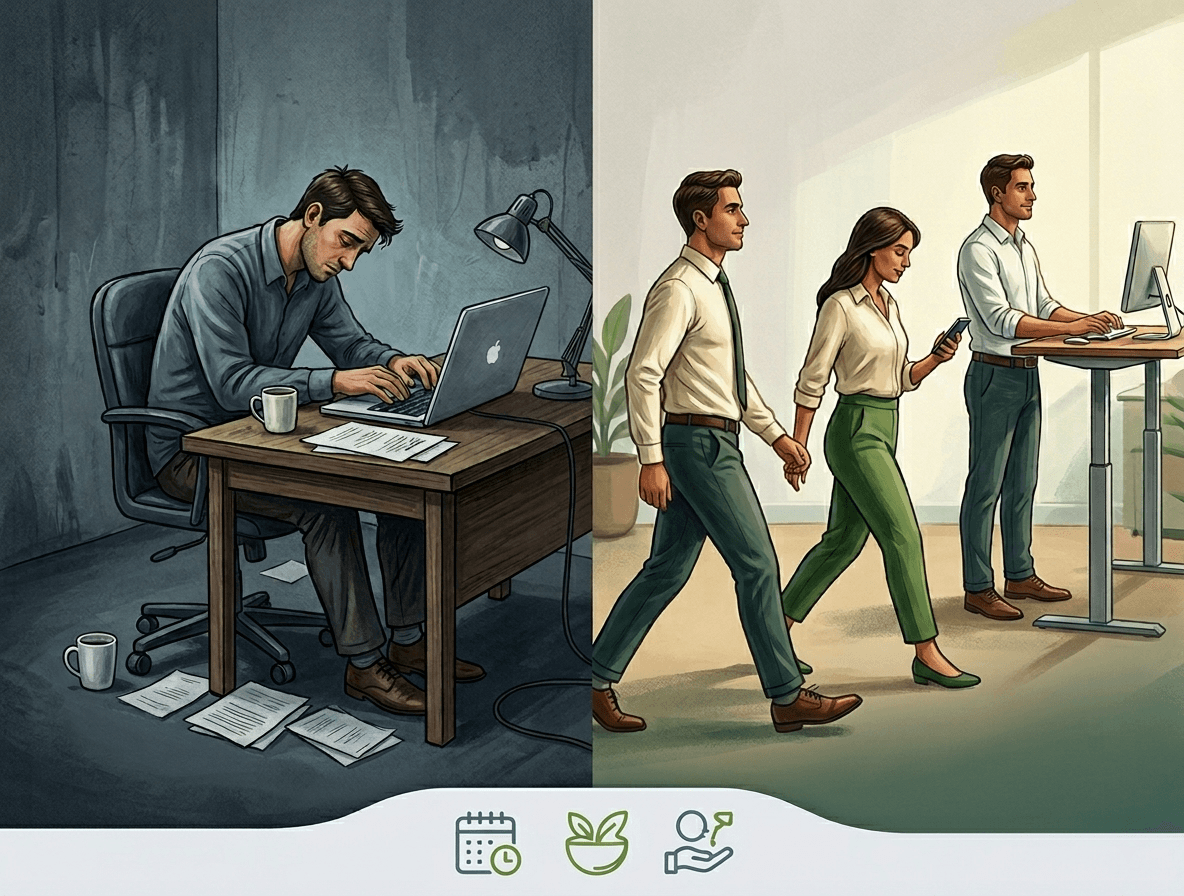
This reduces the cycle of restriction → cravings → overeating.
Where Most Diets Go Wrong
Many people - Undereat during the day; Rely on “diet foods” or overeat later due to hunger
This creates a pattern that’s hard to sustain. The real problem isn’t discipline, it’s diet structure.
FAQs
Are low-calorie foods bad for weight loss?
Not inherently. But relying heavily on low-calorie, low-nutrient foods can increase hunger and make diets harder to sustain.
Why do I feel hungry after eating diet snacks?
Because they often lack protein, fiber, and fats - the key nutrients that signal fullness.
Do artificial sweeteners increase appetite?
Some research suggests they may increase cravings or disrupt hunger signals, though findings are still mixed.