2 months ago·3 mins read
How Cutting Seed Oils Could Change Your Body
What Are Seed Oils?
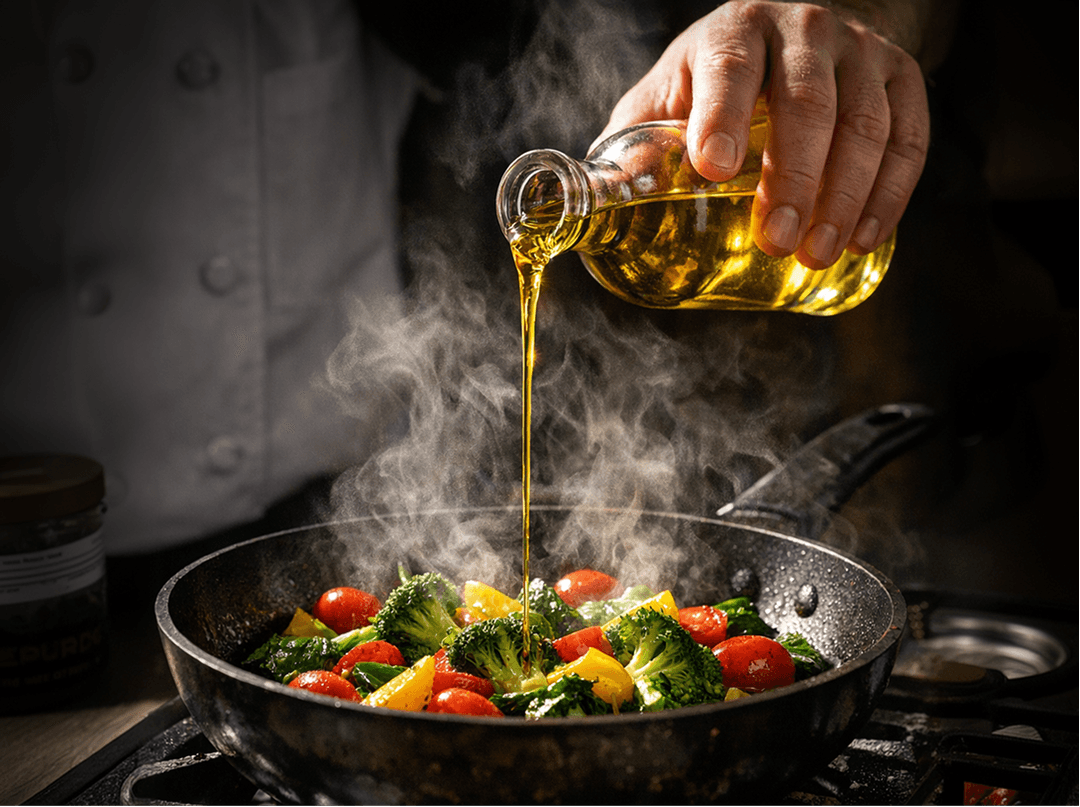
Seed oils are vegetable oils extracted from the seeds of plants. Common examples include:
Soybean oil
Corn oil
Sunflower oil
Safflower oil
Cottonseed oil
Canola (rapeseed) oil
Grapeseed oil
Rice bran oil
These oils are often referred to collectively as industrial seed oils because they are typically produced through large-scale industrial processes. Unlike traditional fats such as olive oil, butter, or coconut oil, most seed oils are extracted through high-heat mechanical pressing followed by chemical refinement to maximize yield and shelf stability.
The Omega-6 Fatty Acid Question
One of the most discussed concerns around seed oils relates to their fatty acid composition, particularly their high levels of omega-6 polyunsaturated fatty acids. Omega-6 fats are not inherently harmful. In fact, they are essential fatty acids, meaning the body cannot produce them and must obtain them from food.
Researchers have observed that modern diets often contain much higher omega-6 to omega-3 ratios than historically typical diets.
Studies suggest that many populations now consume omega-6 to omega-3 ratios between 10:1 and 20:1, largely driven by widespread use of seed oils and processed foods (Simopoulos, 2002, Biomedicine & Pharmacotherapy).
Historically, estimates suggest that human diets may have had ratios closer to 1:1 to 4:1.
Why does this matter?
Omega-6 and omega-3 fats participate in biological pathways that regulate inflammation, immune signaling, and cell membrane function. Some researchers suggest that chronically elevated omega-6 intake relative to omega-3 intake may influence inflammatory processes, although the overall evidence remains complex and continues to be debated.
What is widely agreed upon is that modern diets tend to be low in omega-3 sources (such as fatty fish, walnuts, and flaxseed) and high in omega-6-rich processed foods.
Oxidation and Heat Stability
Another reason seed oils are debated is their chemical stability when exposed to heat, oxygen, and light.
Seed oils contain high levels of polyunsaturated fatty acids (PUFAs). These molecules contain multiple double bonds in their structure, which makes them more susceptible to oxidation.
Oxidation occurs when fats react with oxygen, producing unstable molecules known as lipid peroxides and free radicals.
Research shows that polyunsaturated oils can degrade during high-temperature cooking processes such as frying (Choe & Min, 2006, Comprehensive Reviews in Food Science and Food Safety).
When oils oxidize, they may produce compounds associated with:
Increased oxidative stress
Altered flavor and rancidity
Reduced nutritional quality
This does not mean occasional use of seed oils is inherently dangerous. However, frequent exposure to repeatedly heated oils, particularly in deep-frying environments, has raised concerns among food scientists. This is one reason some nutrition professionals recommend using more heat-stable fats for cooking.
Processing Behind Industrial Seed Oils
Another factor that often surprises consumers is how seed oils are manufactured.
Most commercial seed oils are not simply pressed from seeds and bottled. Instead, large-scale production often includes multiple stages:
Mechanical crushing of seeds
Solvent extraction (commonly using hexane) to maximize oil yield
Degumming
Neutralization
Bleaching
Deodorization at high temperatures
These steps help create oils that are neutral in taste, stable for transport, and suitable for mass food production. While regulatory bodies consider these oils safe to consume, critics argue that extensive refining removes natural antioxidants and exposes oils to high heat before they even reach the kitchen. The result is a highly processed fat source that behaves differently from minimally processed oils like extra virgin olive oil.
Why Are Seed Oils Everywhere
One reason many people consume large amounts of seed oils without realizing it is simple: They are in an enormous number of foods.
Common sources include:
Salad dressings
Packaged snacks
Chips and crackers
Mayonnaise and sauces
Restaurant cooking oils
Baked goods
Frozen meals
Protein bars
Ready-to-eat meals
Because they are inexpensive and shelf-stable, food manufacturers rely heavily on these oils. For many people, seed oils make up a significant portion of daily fat intake without them ever noticing.
FAQs
What are seed oils?
Seed oils are vegetable oils extracted from the seeds of plants. Common examples include soybean oil, corn oil, sunflower oil, safflower oil, and canola oil. These oils are widely used in processed foods and restaurant cooking.
Are seed oils unhealthy?
Seed oils are approved for consumption by global food safety authorities. However, many nutrition discussions focus on how much people consume and how frequently these oils appear in ultra-processed foods, rather than labeling them as universally harmful.
Why are seed oils used so often in food production?
Seed oils are widely used because they are inexpensive, shelf-stable, neutral in flavor, and easy to produce at scale. These characteristics make them ideal for processed food manufacturing and restaurant cooking.