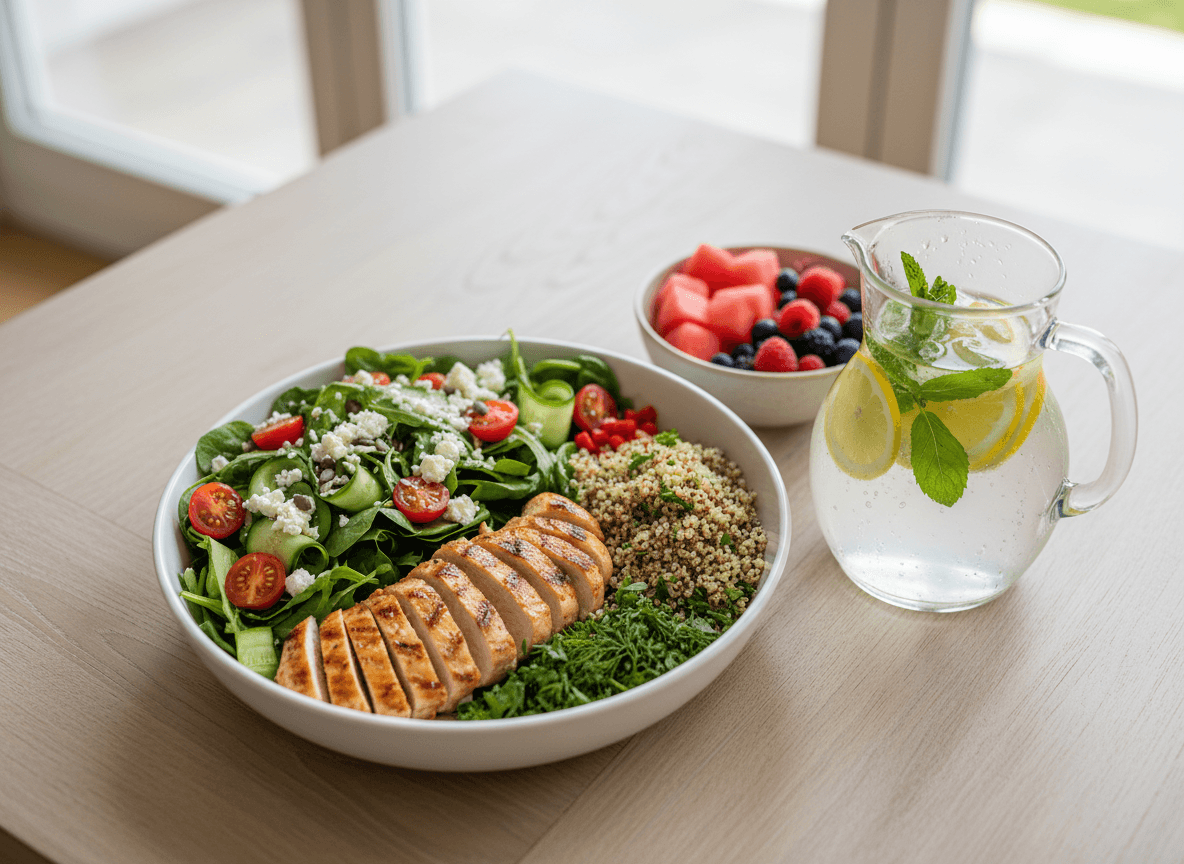
New Year 2026 Resolution: Best Healthy Meals in Qatar
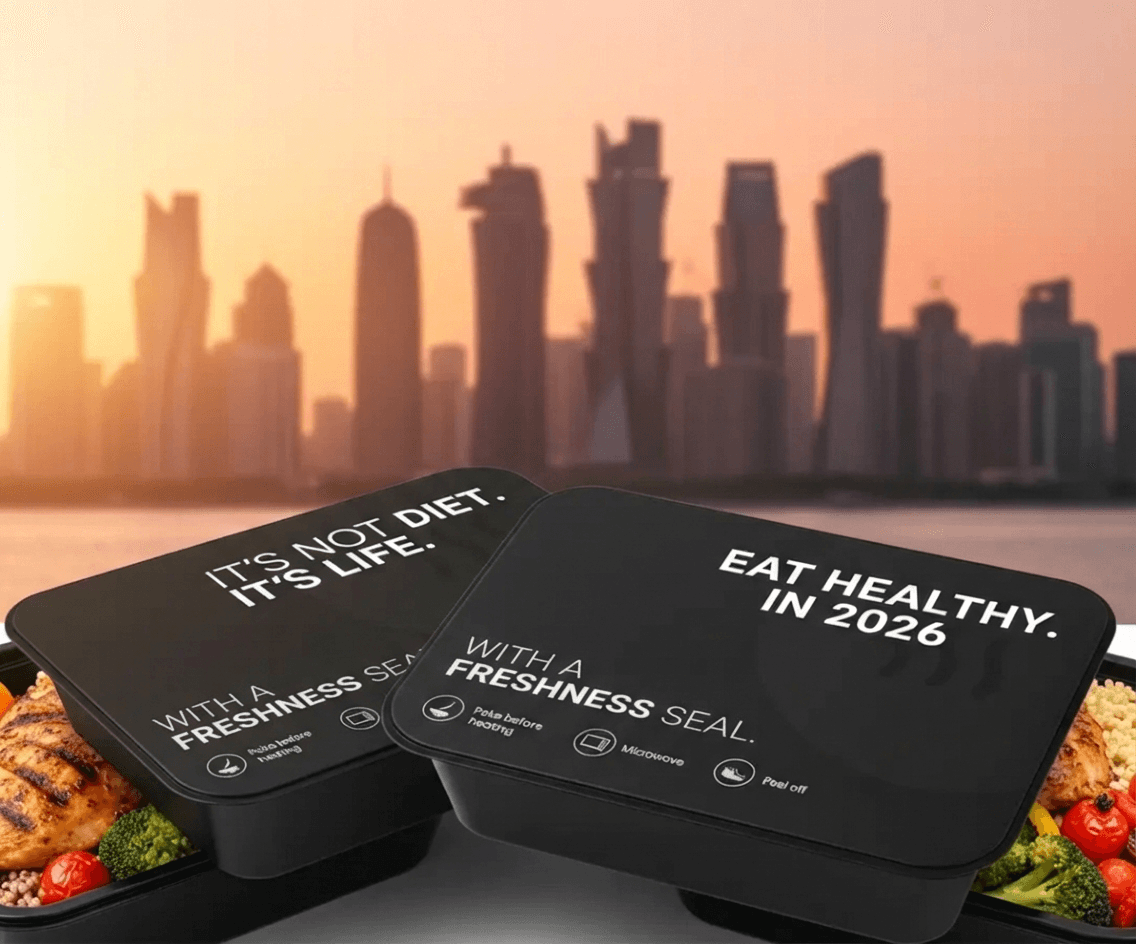
Why healthy meals matter?
“Healthy eating is not about strict dietary limitations, it’s about feeling good, having more energy, and stabilizing your mood,” said nutritionist Marion Nestle, PhD. That philosophy is echoed by nutritionist Keri Glassman, MS, RD, who consistently advocates for diets centered on whole, minimally processed foods rich in essential micronutrients, emphasizing that real food, in its natural form, delivers superior nutritional value and more sustainable health outcomes than highly processed alternatives. As we move into 2026, that trajectory couldn’t be clearer. Healthy eating is accelerating decisively toward these principles, with a renewed focus on nourishment, functionality, and long-term well-being rather than restriction or short-term fixes.
Nutrition for health and longevity
The 2026 KHNI megatrends emphasize that healthy eating is shifting toward supporting healthspan (quality of life) as much as lifespan. Key aspects include functional foods for long-term health with diets that support immunity, cognitive health, digestive balance, and metabolic resilience. They also include affordability and accessibility with scalable, nutrient-dense foods such as fortified staples and protein-rich snacks that reduce cost barriers to healthy eating. We shouldn’t forget gut health as a pillar of overall wellness, with prebiotics, probiotics, and fiber-rich foods as central components of daily diets. Also, gender-responsive nutrition, tailoring nutrient needs for different life stages and physiological needs. These trends reflect a science-driven shift from short-term dieting to proactive, preventive nutrition that aligns with aging populations and chronic disease risk reduction.