How Different Types of Calories Affect Your Energy Levels ?

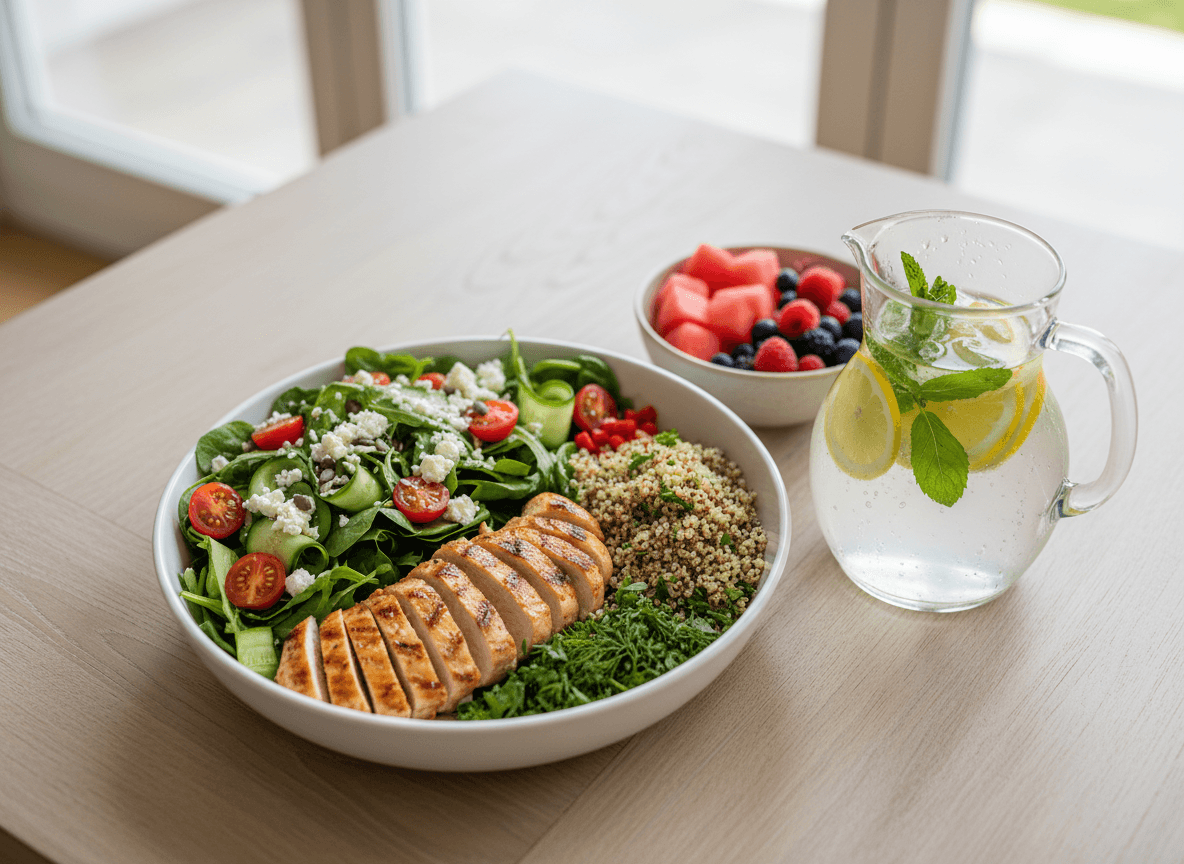
When it comes to achieving your health goals, understanding how calories impact your energy levels is crucial. At its core, a calorie is a unit of energy, but not all calories are created equal. The quality of the food providing those calories can determine how your body processes them and sustains energy throughout the day. Consuming foods high in refined sugar and unhealthy fats might satisfy your hunger temporarily, but they often result in energy crashes that leave you feeling sluggish. On the other hand, nutrient-dense meals rich in complex carbohydrates, proteins, and healthy fats provide a steady energy supply and keep you feeling full longer.
At Dieture, the best diet app for personalized nutrition, we aim to make healthy eating easier and more accessible. As a leading diet center in Qatar, we provide weight loss meal plans that prioritize the quality of your calorie intake. By focusing on balanced meals tailored to your lifestyle, we ensure that your body gets the right energy it needs to power through the day without fatigue. Whether you’re aiming for weight loss, improved fitness, or a general boost in energy, choosing the right types of calories is the foundation for success.
Frequently Asked Questions:
1. Why are some calories considered "better" than others?
Not all calories are processed the same way by the body. For example:
Refined sugars cause rapid spikes in blood sugar levels, providing quick but short-lived energy.
Complex carbs, such as whole grains, break down more slowly, offering sustained energy.
Proteins support muscle repair and keep you satiated longer, ideal for weight loss meal plans.
Healthy fats like those found in avocados and nuts provide long-lasting energy and support vital bodily functions.