Are “Low-Calorie” Foods Making You Hungrier?
The Low-Calorie Paradox
Low-calorie foods are designed to reduce energy intake. But when it comes to satiety (feeling full), calories alone don’t tell the full story.
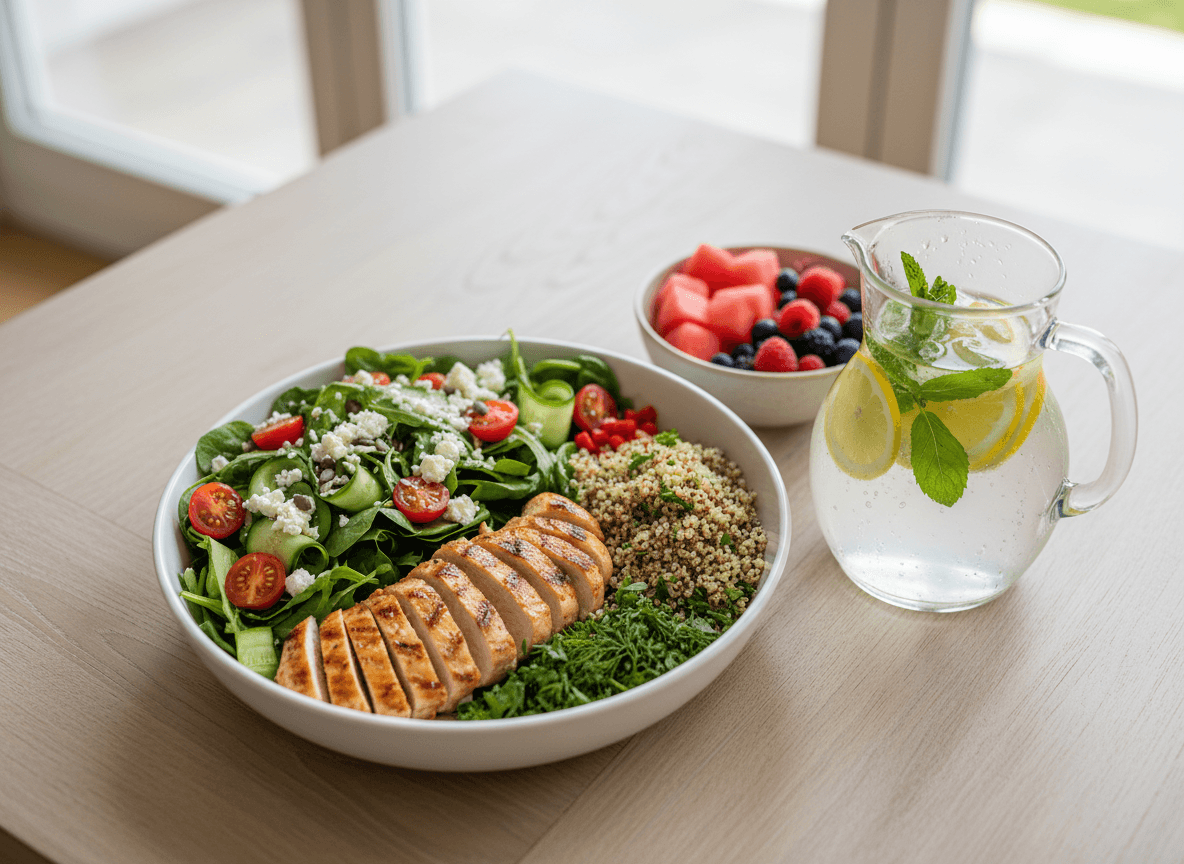
According to the Harvard T.H. Chan School of Public Health, protein, fiber, and fats play a far bigger role in keeping you full than calorie count alone. Many “diet” foods strip these out, leaving you undernourished despite eating.
Why You Feel Hungrier
1. Lack of Protein and Fat
Protein and fats slow digestion and help regulate hunger hormones like ghrelin (hunger hormone) and leptin (satiety hormone).
Research published in the American Journal of Clinical Nutrition shows that higher protein intake significantly improves satiety and reduces overall calorie intake.
When low-calorie foods lack these nutrients, you’re more likely to feel hungry sooner.
2. Blood Sugar Spikes & Crashes
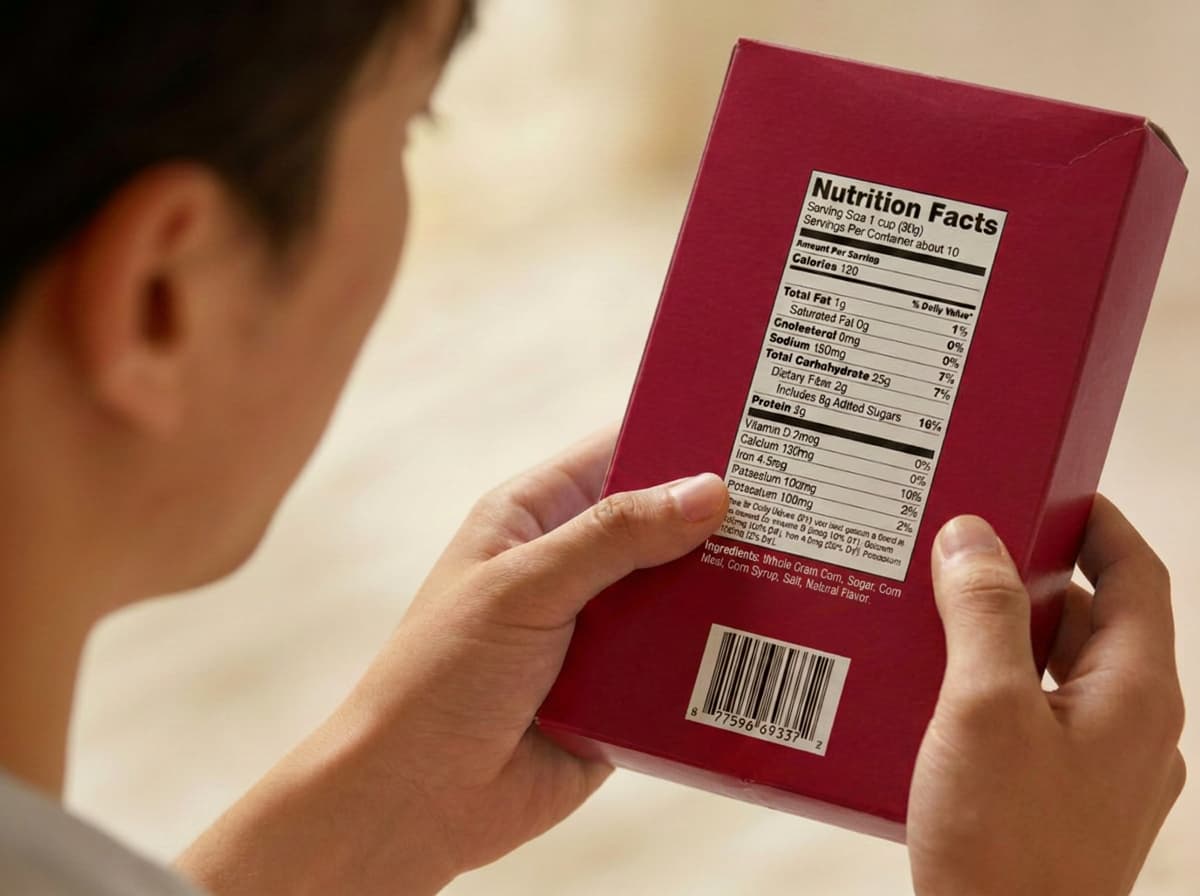
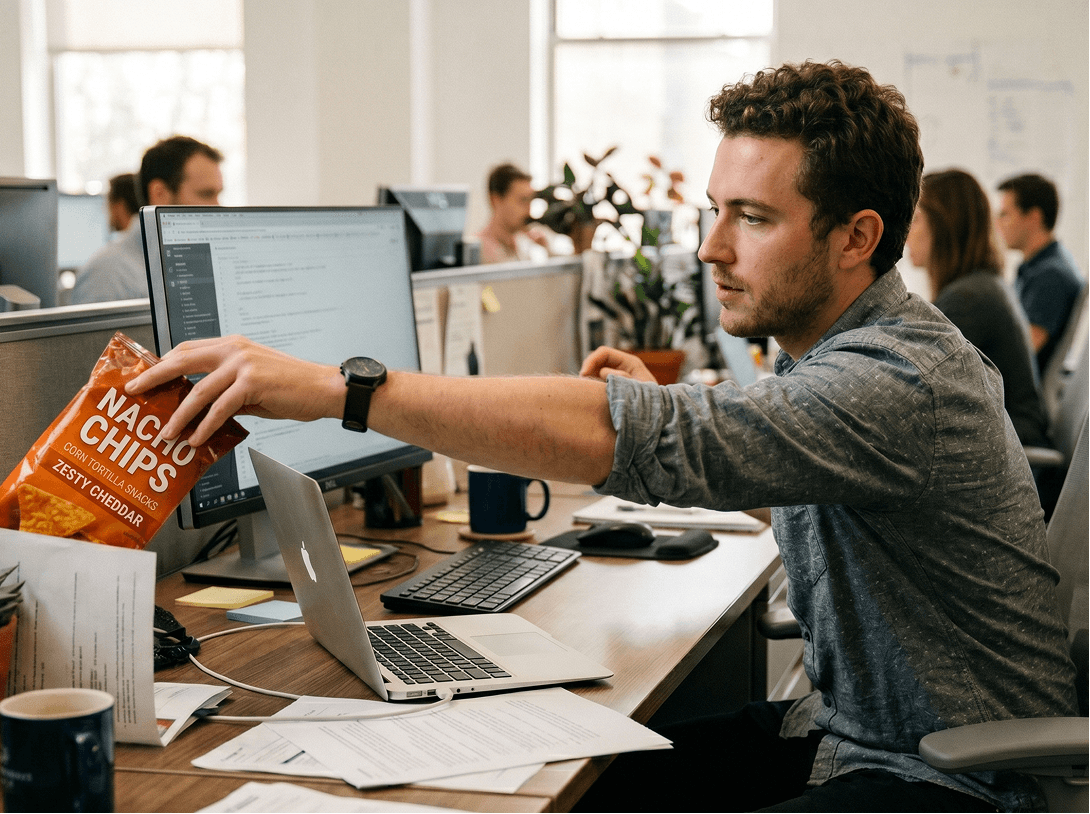
Many low-calorie packaged foods are still highly processed. They digest quickly, causing:
Rapid blood sugar spikes
Followed by crashes
According to guidance from the Mayo Clinic, these fluctuations can trigger hunger and cravings, even if you’ve recently eaten.
3. Artificial Sweeteners & Appetite Confusion
Artificial sweeteners are often used to reduce calories without sacrificing sweetness. But they may have unintended effects.