2 months ago·5 mins read
How Does Protein Help in Weight Loss?
1. Protein Increases Fullness and Reduces Cravings
One of the biggest challenges in weight loss is controlling appetite. Protein directly influences satiety hormones such as:
Peptide YY (PYY)
GLP-1
Ghrelin (hunger hormone)
Higher protein intake has been shown to reduce hunger and spontaneous calorie intake. In a controlled trial published in the American Journal of Clinical Nutrition, increasing protein from 15% to 30% of calories led to reduced daily calorie intake and weight loss without intentional restriction (Weigle et al., 2005).
Another review confirms that protein-rich meals increase satiety compared to high-carb meals (Leidy et al., 2015).
What this means: If you're constantly hungry while dieting, increasing protein can naturally reduce cravings and make calorie control easier.
2. Protein Preserves Muscle During Fat Loss
When you lose weight, you don’t just lose fat - you can lose muscle too. Muscle mass is metabolically active tissue. Losing it can reduce resting metabolic rate, making long-term weight maintenance harder.
Higher protein intake during calorie restriction helps preserve lean mass, especially when combined with resistance training. This has been consistently shown in sports nutrition literature (Phillips & Van Loon, 2011).
Preserving muscle improves body composition - meaning you lose more fat, not just scale weight.
3. Protein Has a Higher Thermic Effect
Digesting protein requires more energy than digesting carbohydrates or fats. This is called the Thermic Effect of Food (TEF). Approximate thermic effect:
Protein: 20–30% of calories burned during digestion
Carbohydrates: 5–10%
Fat: 0–3%
A review in Nutrition & Metabolism highlights protein’s higher thermogenic effect and its role in weight control (Halton & Hu, 2004).
In simple terms: Your body burns more calories processing protein than other macronutrients. While this alone won’t cause dramatic fat loss, it contributes meaningfully over time.
4. Protein Supports Fat Loss - Not Just Weight Loss
Protein doesn’t “melt belly fat,” but it supports fat loss indirectly by:
Increasing fullness
Reducing overeating
Preserving muscle
Slightly increasing calorie burn
Fat loss still requires a calorie deficit. Protein simply makes that deficit easier and more sustainable.
A 2020 systematic review confirmed higher-protein diets improve body composition and fat mass reduction compared to lower-protein diets during weight loss interventions (Wycherley et al., 2012 – updated evidence supported in later reviews).
How Much Protein Do You Need for Weight Loss?
The standard minimum recommendation is: 0.8 g per kg body weight (RDA). However, modern weight-loss research suggests: 1.2–1.6 g per kg body weight may be more optimal during fat loss phases to preserve lean mass and control appetite.
For example:
70 kg person → 84–112 g protein/day
For active individuals or those resistance training:
Up to 2.2 g/kg may be appropriate
(Reference: Morton et al., 2018 meta-analysis on protein needs and muscle retention - https://pubmed.ncbi.nlm.nih.gov/28698222/)
Best Protein Sources for Fat Loss
There is no “fat-burning protein,” but quality matters.
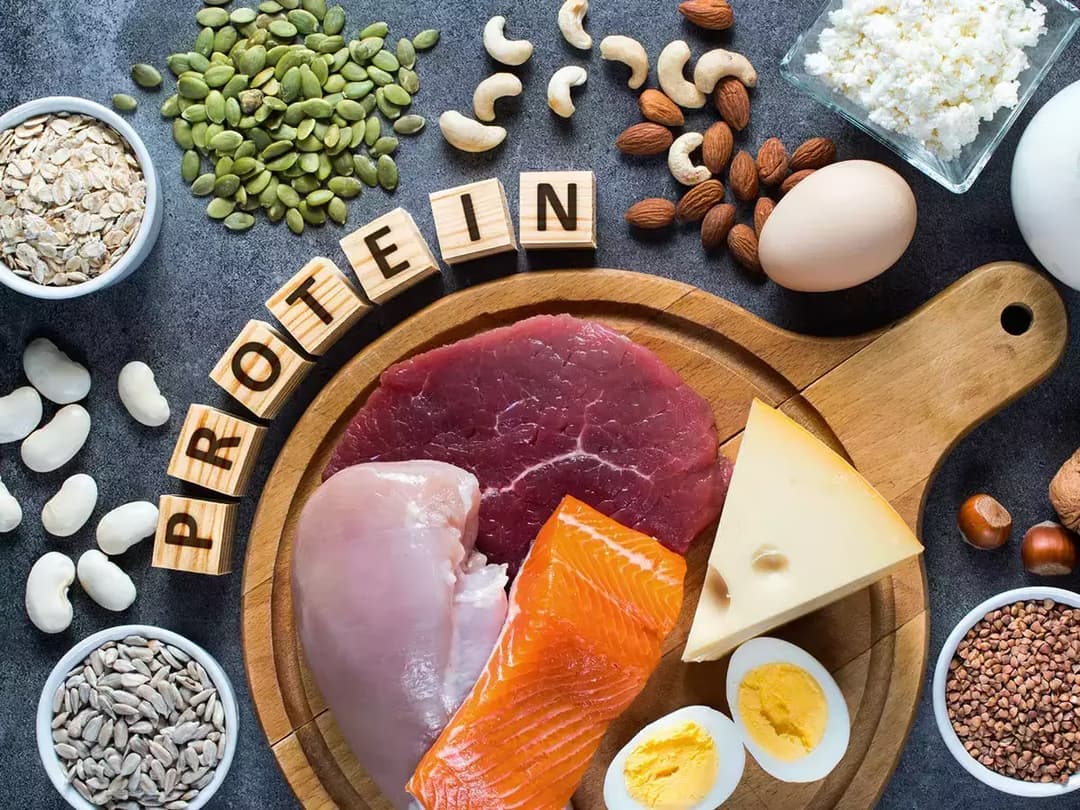
High-quality protein options:
Lean meats (chicken, turkey)
Fish (salmon, tuna)
Eggs
Greek yogurt
Cottage cheese
Lentils and beans
Tofu and tempeh
Whey or plant protein powders (when needed)
Choose options that are:
Protein-dense
Lower in excess calories
Minimally processed
Does Protein Burn Fat Without Exercise?
Protein supports fat loss - but it does not override energy balance. You still need:
A calorie deficit
Some level of movement
Resistance training (recommended)
Signs You May Be Eating Too Much Protein
Protein is safe for healthy individuals within recommended ranges. However, excessive intake may cause:
Digestive discomfort
Dehydration (if fluid intake is low)
Reduced fiber intake (if carbs are severely restricted)
Unintended calorie surplus
Current research does not support kidney damage from high-protein diets in healthy individuals, though those with pre-existing kidney disease should consult a physician (Martin et al., 2005). Balance matters.
Common Myths About Protein and Fat Loss
❌ “Protein melts belly fat.”
Fat loss happens systemically through calorie balance - not spot reduction.
❌ “More protein is always better.”
Beyond optimal intake, extra protein does not dramatically increase fat loss.
❌ “Eggs alone are enough.”
Two eggs provide ~12 g protein - helpful, but most people need 20–40 g per meal for optimal satiety.
FAQs
How much protein should I eat to lose weight?
Most people benefit from 1.2–1.6 g per kg body weight daily during fat loss.
Does protein burn fat?
Protein supports fat loss by increasing fullness, preserving muscle, and slightly increasing calorie burn - but you still need a calorie deficit.
Do 2 eggs give enough protein?
Two eggs provide ~12 g protein. Most meals should contain 20–40 g for optimal satiety.
What protein is best for fat loss?
There is no single best protein. Lean meats, fish, eggs, dairy, legumes, and plant proteins are all effective.